Sunday, September 13, 2009

Naringenin Found in Grapefruit Prevents Obesity, Blocks Insulin Resistance

Alkalizing fruits just happen to have the potential to slow obesity and diabetes down


A substance in grapefruit just may prove to be the key to reversing acidity that leads to obesity and diabetes.


The substance, a flavonoid called "naringenin," is a naturally occurring alkaline compound in all citrus fruit, but especially in grapefruit. Naringenin is responsible for giving grapefruit its bitter taste. Naringenin, found naturally in grapefruit, detoxifies the liver and causes fat to be released instead of storing it.


Read the full news item here

http://seniorjournal.com/NEWS/Nutrition-Vitamins/2009/20090714-NaringeninFound.htm


Naringenin, for all its potential to heal, leaves a little to be desired on the palette. So we're going to give you a few tips to make grapefruit more appealing.

Add some blue agave sweetener, but not a lot. Just enough to buffer the bitter.

Add some warmed up raw honey to your grapefruit; pour it right on the naked fruit. Don't warm the honey until it's hot, but warm it up just enough so that it drips nicely over the fruit.

For information on how to reduce excess acidity and live a healthier life by consuming alkaline water, goto http://www.chansonalkalinewater.com/

Saturday, September 12, 2009

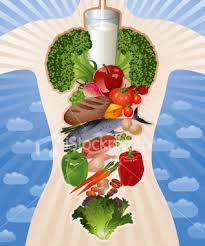
The Nutrient Rich Food Classification

FIRST CLASS

Vegetables
Fresh Fruit
Nuts and Seeds
Beans and Legumes
Whole Unrefined Grain
To Eat Nutrient Rich : Eat 80-90% First Class foods, or more.

SECOND CLASS

Fish
Low-fat
Dairy
Wild Meat and Fowl
Eggs
Red Meat
Smaller amounts of Second Class foods, if you eat them.

THIRD CLASS

Refined Grains
Full-fat Dairy
Refined Oil and Sweets
Avoid Third Class foods, as much as possible.

Thursday, September 3, 2009

Health Benefits of Whole Grains


Whole Grains

Grains, especially whole grains, provide several health benefits. Grains provide essential nutrients and helps reduce the risk of developing chronic diseases.

Health Benefits


  • Eating a diet high in grains, especially whole grains, as an overall healthy diet may ...
    help with weight management.

  • reduce constipation.

  • reduce the risk of coronary artery disease.


Nutrients


  • Grains provide many nutrients such as dietary fiber, B vitamins and minerals.

  • Dietary fiber may help reduce blood cholesterol levels and lower risk of heart disease.

  • B vitamins are essential for your metabolism by helping your body release energy from protein, fat and carbohydrates.

  • Folic acid helps the body form blood cells and is especially important for women of childbearing age who may become pregnant.

  • Magnesium from whole grains helps build bones and release energy from muscles.

Hypoglycemia - What To Eat and What To Avoid

Got low sugar blues? you might be suffering from hypoglycemia. But good news - you can do a lot about it. Drinking alkaline water can help you


“Hypoglycemia” is the medical term for low blood sugar (glucose). Occasionally, hypoglycemia can be dangerous (for example, from injecting too much insulin). It may also indicate a serious underlying medical condition, such as a tumor of the pancreas or liver disease.

What are the symptoms of hypoglycemia? Common symptoms of hypoglycemia are fatigue, anxiety, headaches, difficulty concentrating, sweaty palms, shakiness, excessive hunger, drowsiness, abdominal pain, and depression.

Dietary changes that may be helpful: Doctors find that people with hypoglycemia usually improve when they eliminate refined sugars and alcohol from their diet, eat foods high in fiber (such as whole grains, fruits, vegetables, legumes, and nuts), and eat small, frequent meals. Few studies have investigated the effects of these changes, but the research that is available generally supports the observations of doctors. Some symptoms of low blood sugar may be related to, or made worse by, food allergies.

Even modest amounts of caffeine may increase symptoms of hypoglycemia. For this reason, caffeinated beverages (such as coffee, tea, and some soda pop) should be avoided.

Some people report an improvement in hypoglycemia episodes when eating a high-protein, low-carbohydrate diet. That observation appears to conflict with research showing that increasing protein intake can impair the body’s ability to process sugar, possibly because protein increases insulin levels (insulin reduces blood sugar levels). However, some doctors have seen good results with high-protein, low-carbohydrate diets, particularly among people who do not improve with a high-fiber, high-complex-carbohydrate diet.

Some poeple have also reported major benefits from consuming alkaline ionized water. A water ionizer, installed on your tap, changes your tap water to electrically charged alkaline water that is said to be upto 6 times more hydrating than normal bottled or tap water, this means that our cells would absorb nutrients from the water very quickly.

For more information on Alkaline Water, Visit http://www.chansonwater.com/

Thursday, August 27, 2009

Proof mounts on restricted diet


Restricted Diet has long been known to have major benefits for animals. Now a close relative of man has furthered this theory. A long study in the U.S. has concluded with major proof of the health benefits of a nutricious but restricted diet in monkeys. It involved several monkies of equal age, half with restricted calorie intake and the other half with an unrestricted diet.

The rate of cancers and cardiovascular disease in dieting animals was less than half of those permitted to eat freely.

Whether the same effects would be seen in humans is unclear, although anecdotal evidence so far suggests people on a long-term calorie-restricted diet have better cardiovascular health.

The precise mechanism is yet to be established: theories involve changes in the body's metabolism or a reduction in the production of "free radical" chemicals which can cause damage.

Read the Full Article on BBC's Website

Purines Explained

I will try to explain 'Purines' that I mentioned in my previous blogpost.

Purines are natural substances found in all of the body's cells, and in virtually all foods. The reason for their widespread occurrence is simple: purines provide part of the chemical structure of our genes and the genes of plants and animals. A relatively small number of foods, however, contain concentrated amounts of purines. For the most part, these high-purine foods are also high-protein foods, and they include organ meats like kidney, fish like mackerel, herring, sardines and mussels, and also yeast.

Purines are metabolized into uric acid
When cells die and get recycled, the purines in their genetic material also get broken down. Uric acid is the chemical formed when purines have been broken down completely.

Because uric acid is formed from the breakdown of purines, low-purine diets are often used to help treat conditions like gout in which excessive uric acid is deposited in the tissues of the body.

Thursday, August 20, 2009

Gout Diets: Foods to Eat


Dietary restrictions for Gout patients suggest what people should not eat, but what should people eat? What foods will help control gout attacks? The American Medical Association recommends the following dietary guidelines for people with gout, advising them to eat a diet:

high in complex carbohydrates (fiber-rich whole grains, fruits, and vegetables)

low in protein (15% of calories and sources should be soy, lean meats, or poultry)

no more than 30% of calories in fat (with only 10% animal fats)


Recommended Foods To Eat

  • Fresh cherries, strawberries, blueberries, and other red-blue berries
  • Bananas
  • Celery
  • Tomatoes
  • Vegetables including kale, cabbage, parsley, green-leafy vegetables
  • Foods high in bromelain (pineapple)
  • Foods high in vitamin C (red cabbage, red bell peppers, tangerines, mandarins, oranges, potatoes)
  • Drink fruit juices and purified water (8 glasses of water per day)
  • Low-fat dairy products
  • Complex carbohydrates (breads, cereals, pasta, rice, as well as aforementioned vegetables and fruits)
  • Chocolate, cocoa
  • Coffee, tea
  • Carbonated beverages
  • Essential fatty acids (tuna and salmon, flaxseed, nuts, seeds)
  • Tofu, although a legume and made from soybeans, may be a better choice than meat

Foods considered moderately high in purines but which may not raise the risk of gout include: asparagus, cauliflower, mushrooms, peas, spinach, whole grain breads and cereals, chicken, duck, ham, turkey, kidney and lima beans. It is important to remember that purines are found in all protein foods. All sources of purines should not be eliminated.

Become our Fan on Facebook!